Seasonal Soundscapes: Listening Walks Through British Forests

Join us for Seasonal Soundscapes: Listening Walks Through British Forests, a gentle invitation to wander slowly, tune attention, and let woodlands speak through birds, wind, water, and silence. We’ll explore techniques, routes, folklore, and recording tips, celebrating changing voices from spring chorus to winter hush, and welcoming your stories, notes, and shared minutes of sound.

Preparing Ears and Footsteps

Before the first step, soften your pace, loosen your jaw, and notice how fabric, boots, and backpack noises colour what reaches your ears. British forests reward patience: arrive early, breathe slowly, check the forecast, respect paths and wildlife, and prepare to meet weather, mud, bramble, and wonder.

Spring Chorus: May Mornings in Leafing Woods

Every May, before sunlight threads the canopy, the forest opens like an orchestra tuning. Blackbirds pour bright phrases, song thrushes cycle motifs, wrens fizz from bramble, and a chiffchaff’s metronome counts the minutes. Sometimes a cuckoo drops a bell-note, and woodpeckers drum behind ivy.

The Language of the Chiffchaff and Willow Warbler

Learn to separate similar voices by rhythm and texture. The chiffchaff ticks steadily, two-syllable strokes, while willow warbler lines descend like a sighing slide. Practice by sketching arrows and dots in a notebook, then compare at woodland edges where both often feed together.

Robins and Wrens: The Close-Range Whisperers

Hold very still on low branches’ shadowed sides, and notice how robins speak even when others are silent, weaving thin silver threads near your boots. Wrens burst into sudden, explosive trills that tangle hedgerow air, offering astonishing volume from a body smaller than your palm.

Cuckoo and Woodpecker: Distant Markers of Space

Fix distance through sound-signposts: a cuckoo marking a far valley, a great spotted woodpecker ricocheting across trunks, or a bubbling brook tracing the low ground. Noting bearings in a pocket map sharpens awareness and returns you safely by the same attentive path.

Summer Canopies: Hums, Nightjars, and Water

With leaves fully spread, space narrows and softens, making footsteps quieter and streams sound closer. Warm air carries insect susurrations, bees graze bramble, and grasshoppers stitch meadows along woodland rides. As dusk gathers, nightjars begin to churr, and bats sketch invisible, clicking arcs.

Autumn Echoes: Rutting Calls, Rain, and Falling Beechmast
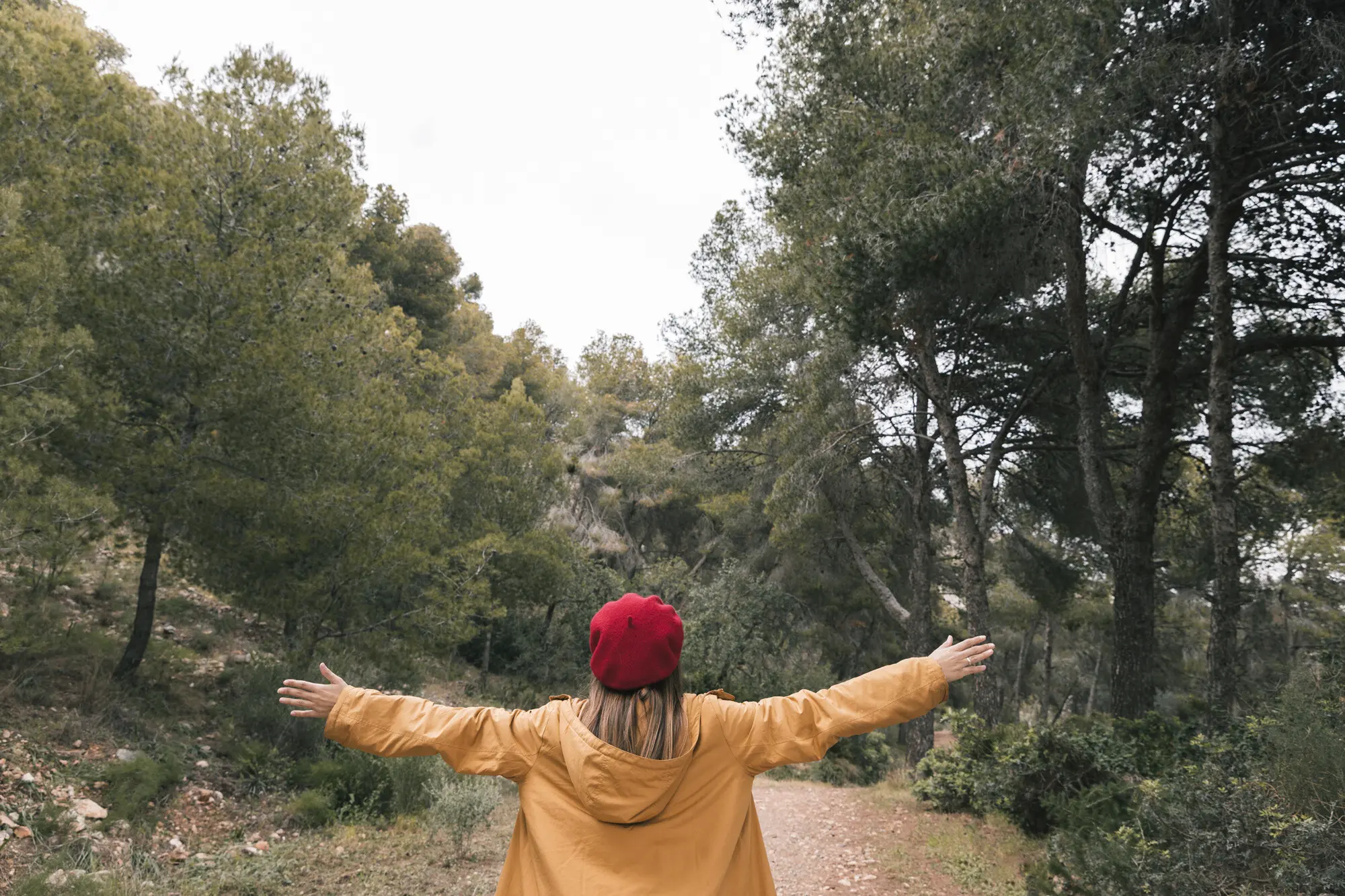
Leaves loosen, paths gloss with rain, and the forest seems to exhale. Jays rattle while caching acorns; nuthatches hammer kernels into bark; squirrels scold intruders. In the Highlands and Exmoor, red deer bellow across glens, their voices braided with wind and occasional raven commentary.

Winter Stillness: Frost, Owls, and Raven Conversations

When daylight narrows, sound gains edges. Frost gives bracken a shy crackle; streams sing brighter; distant roads soften; and human voices travel unnervingly far. At night, tawny owls stitch territories with resonant hoots, while ravens roll deep notes that seem older than the path beneath.

Reading Silence After Snow

After snowfall, the forest turns to felt. Pause and hear your own heartbeat, scarf rustle, even eyelids flicker. Footsteps compress powder with soft puffs, while branches crack sharply in freezing air. This rare stillness invites reverence and rewards careful, grateful, unhurried departures.

Tawny Owls and the Art of Echo

Stand between trunks and let a classic hoot arrive from one quarter, then its soft reply from a mate elsewhere. Notice how valleys bend echoes, how fog thickens tone, and how your posture changes what you perceive. Turn slowly; triangulate; write impressions immediately.

Ravens Over Edge-land Woodlands

On upland edges and coastal woods, ravens converse like old storytellers, flipping through notes, clacks, and gurgles. Look high to catch their barrel rolls. Their presence often frames wildness, reminding listeners to keep curiosity wide and schedules loose when winter offers brilliance.

Recording, Notation, and Sharing Your Walks

Listening deepens when experiences are preserved and shared generously. You can do a lot with a phone, a tiny windshield, and airplane mode. Keep a notebook, sketch sound maps, and back up files. Then join conversations, compare seasons, and invite others to walk attentively with you.